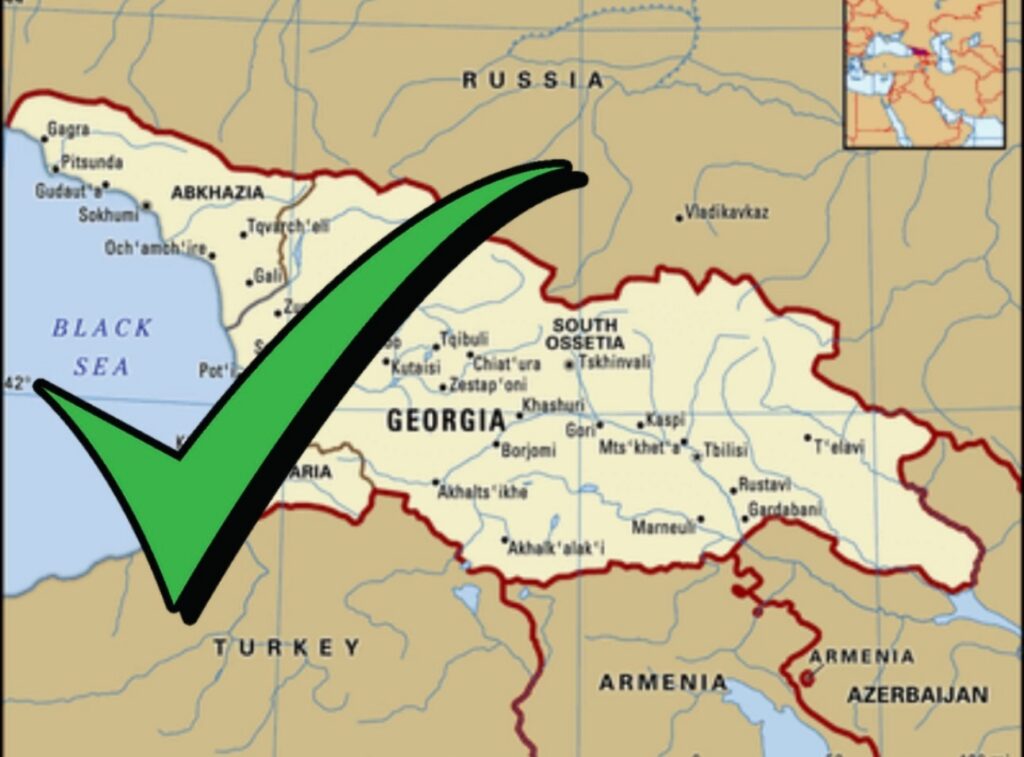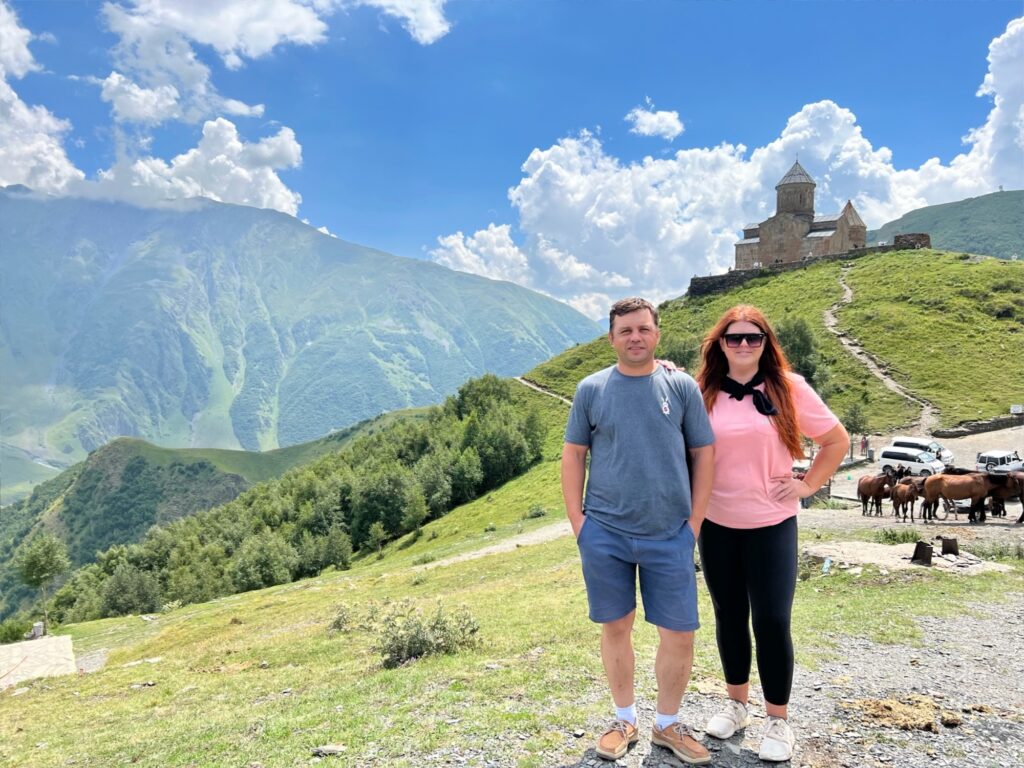
As an American who married a Georgian Im not ashamed to admit, in the beginning, I had no idea where the Republic of Georgia was. Quickly after my first visit I became quite enthralled with the capital, Tbilisi. We have ventured back many times and that love has only grown stronger. This is my non-touristy perspective on the beautiful and fascinating city.
TBILISI VIBES
Tbilisi is an amazing city full of beauty, history, and cultural significance. Georgians are well known for their hospitality, food, and wine. Now, as a Southern Texan, I have pretty high standards when it comes to hospitality. Visiting Tbilisi, I had to turn that expectation down slightly.
When engaging with Georgian people, I’ve found them to be pleasant and helpful, but they aren’t necessarily smiley or outwardly cheerful—at least not in the way I was accustomed to. Their warmth tends to show itself differently. Give it a little time, and you may discover that what initially seems reserved can turn into genuine kindness and hospitality.
If you are walking down the city streets smiling and nodding at people passing by, you may receive a cold stare in return. It is also a pretty good giveaway that you are not from Georgia.
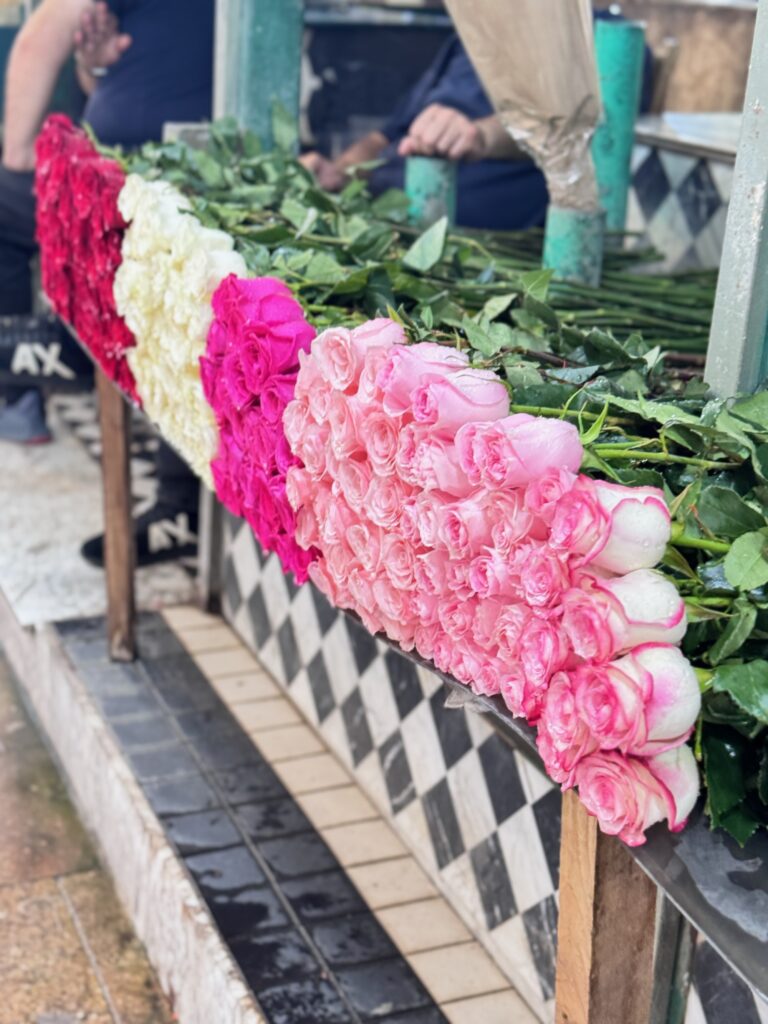
This is especially important to remember when visiting the markets and expecting to negotiate with vendors. As soon as they realize you are from somewhere else, they may be less inclined to be flexible with the price. In the past, my husband has actually directed me not to smile or speak when we were within earshot of a vendor so they wouldn’t charge him triple. 😂
I learned pretty quickly that navigating Tbilisi requires a slightly different approach than I was used to. And honestly, I kind of love that about the city.

GEORGIAN HOSPITALITY
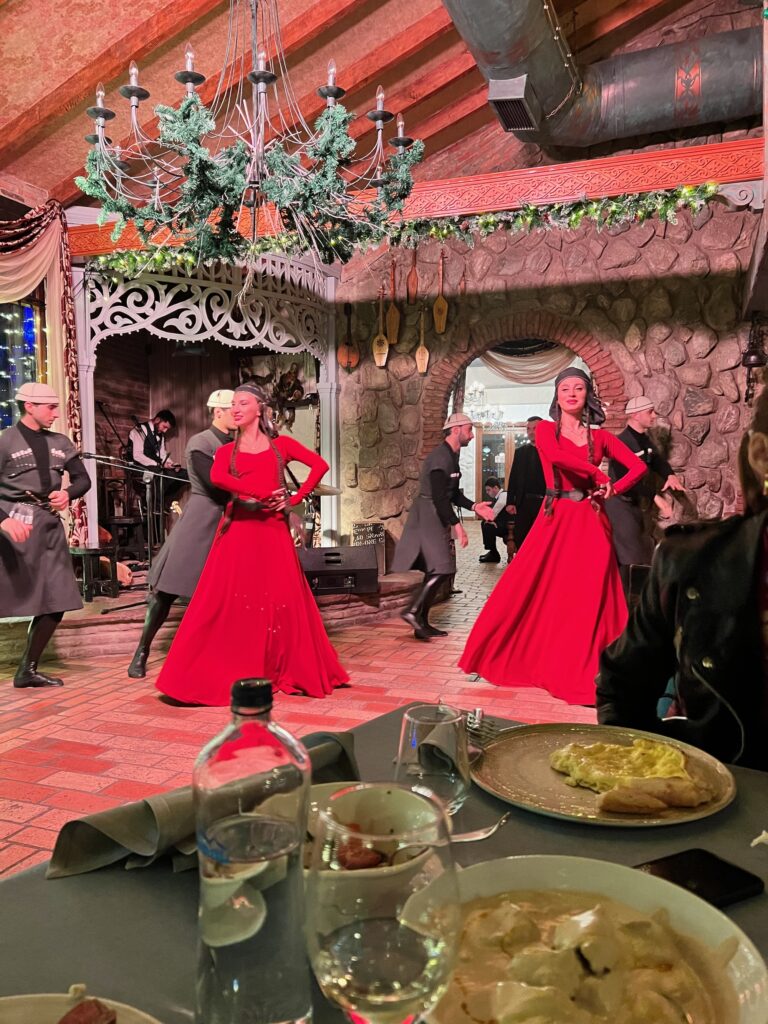
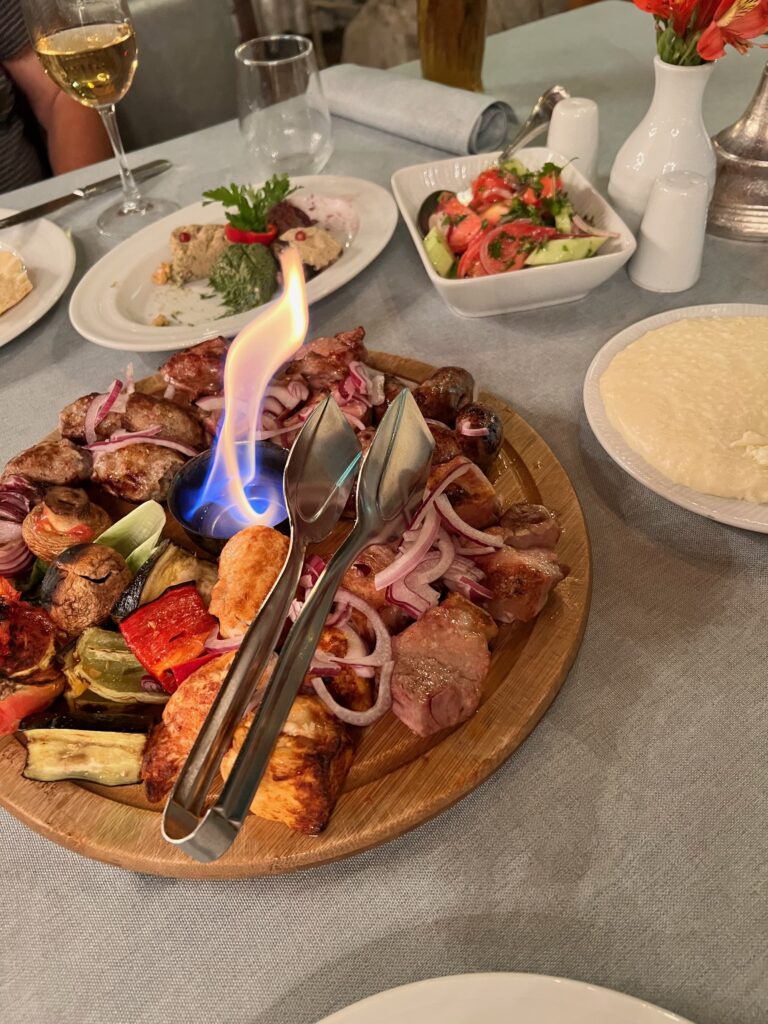
I would say you will find true Georgian hospitality at the dinner table. Every time we visit, whether with family or extended friends, the table is always set and full of delicious, savory food. The wine glasses seem to have an eternal stream that can never quite run dry, and there is certainly no shortage of things to toast.
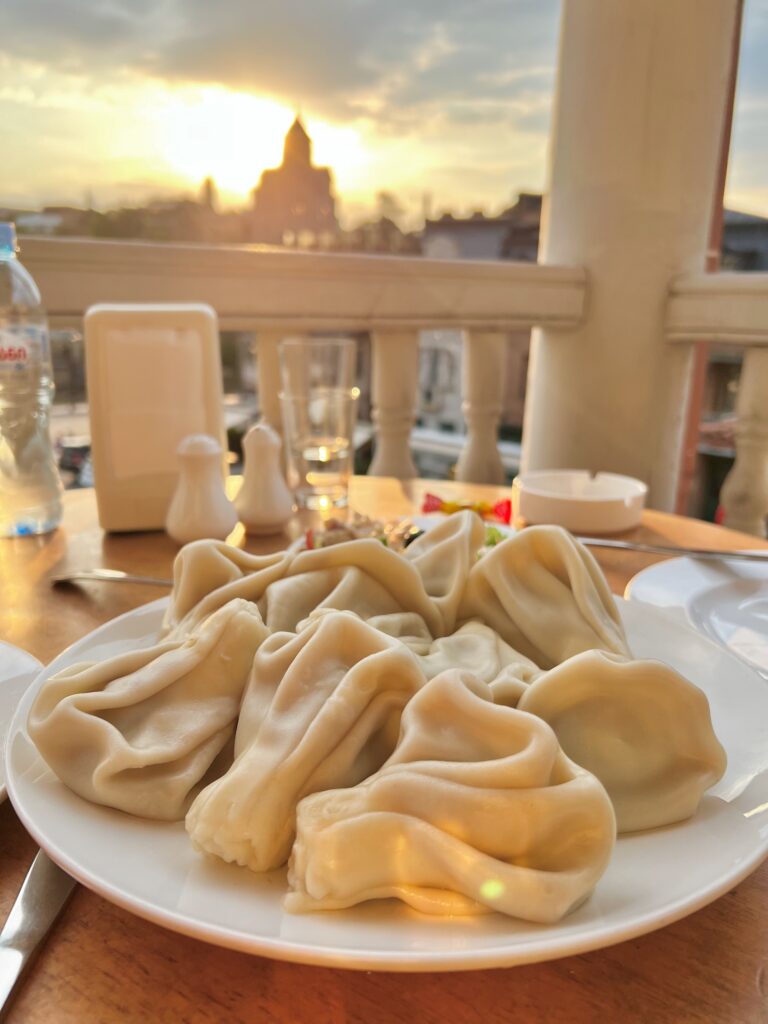
And then there is khinkali. (heen-KAH-lee)
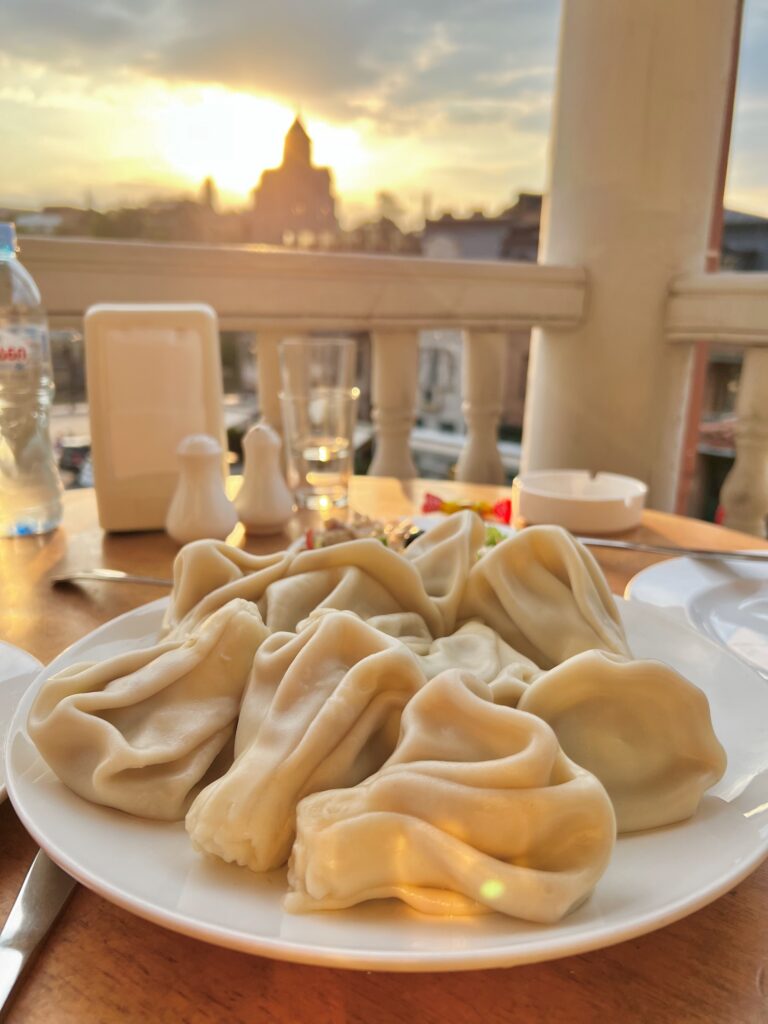
Khinkali are juicy Georgian dumplings made with a variety of fillings. The dumpling is formed by rolling out extremely thin layers of dough, filling it with lamb, beef, pork, or even potato, and then gathering the dough at the top and twisting it into a little “stem.”
There is a proper way to eat them, too. You hold the stem with your fingers or a fork, leaving the dumpling body facing upward. Take a bite from the side and carefully slurp up the delicious broth inside before eating the rest of the dumpling. Holding the dumpling upside down creates its own little bowl, helping you keep all that savory goodness where it belongs—on your plate and not all over your shirt.
Trust me on this one.
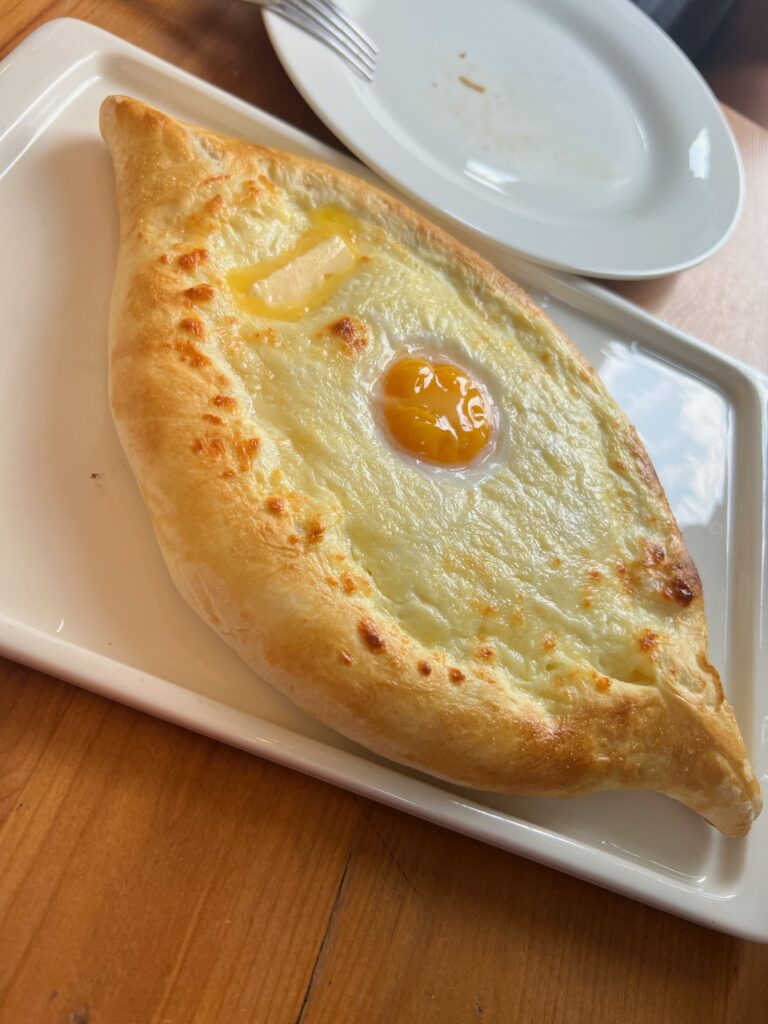
There are many choices to feast on at a Georgian dinner table, and I have to say my favorite, above all else, is khachapuri (hoch-ah-poor-ee). This heavenly cheese bread is made in many different ways, mostly depending on the region of Georgia.
The Adjaruli khachapuri is the best, IMO. Its close second is the Imeruli version made by my sister-in-law, Tamuna. The Adjaruli version arrives looking like a large bread boat, filled with Georgian cheeses and baked to golden perfection. Before serving, a raw egg is added to the top. Once the bread reaches your table, you take a fork and spin the egg into the melted cheese, incorporating it into all that gooey, cheesy goodness.
It is basically a boat full of melted cheese, bread, butter, and egg. What’s not to love?
The Imeruli version Tamuna makes is her favorite because it comes from the region her family is from. Imeruli khachapuri differs from the Adjaruli version mostly in presentation. The cheese is layered inside the dough, and in its final form, the khachapuri is round, almost like a small pizza, with the cheese baked inside and a light golden crispness on top.
This version is less juicy, but it is also much easier to take with you on the go.
When I sit at Tamuna’s table, I am greeted with warm, soft, crispy cheese bread, delicious kebabs, Georgian cucumber and tomato salad, eggs, cheese, sausage, plenty of wine, and so much more. You will never leave a Georgian home hungry. That’s guaranteed!
MOVING AROUND TBILISI
So, I have a personal advantage when navigating my way through Tbilisi: my husband becomes my tour guide. I tell him where I want to go, and he gets us there. That means I don’t have to put much effort into thinking about how to get around. 😂
His biggest advantage, though, is the language. While you will find plenty of younger Georgians who speak some English, you may have a harder time finding older generations who can comfortably converse with you.
Thankfully, getting around Tbilisi is pretty easy. Download the Bolt app—it’s essentially the European version of Uber. Put in your destination, and a driver will come to your designated meeting point, pick you up, and take you where you need to go. There isn’t much need for conversation, but I would still suggest politely saying hello—gamarjoba—and thanking your driver with madloba at the end of the ride.
And if you happen to be traveling with a Georgian husband who can handle the directions and the language? Even better. 😉
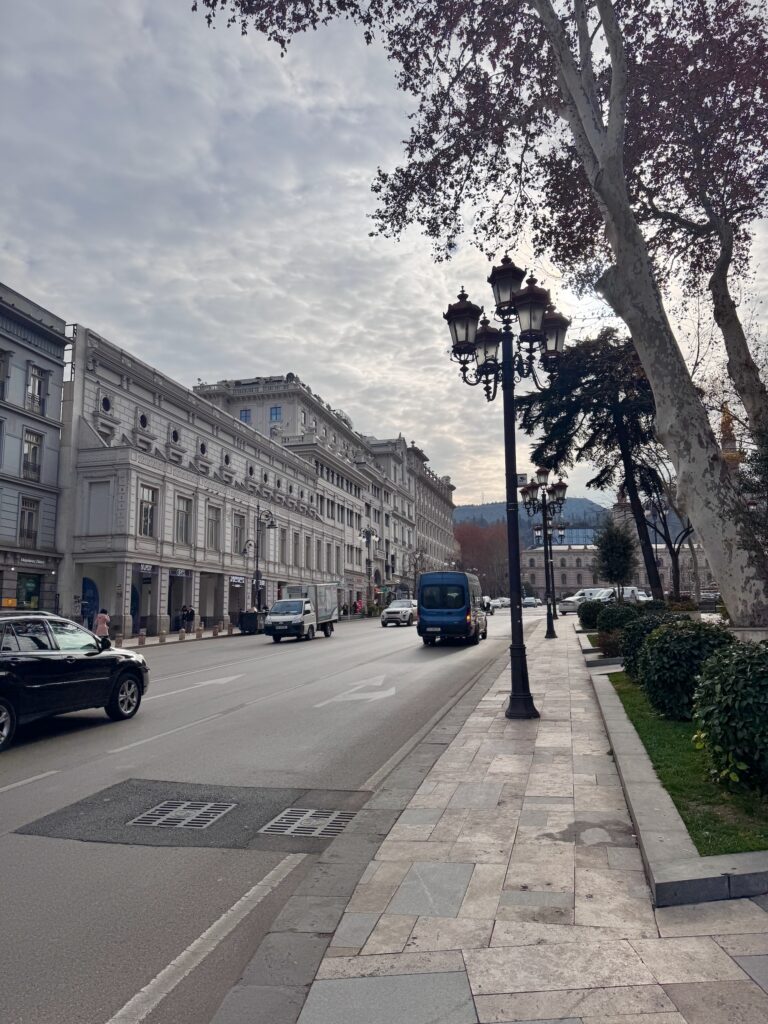
Tbilisi itself is pretty spread out, and I don’t find it highly walkable if you’re trying to squeeze in a lot of sights in one day. My advice is to pick a micro area of the city, use Bolt, or take the metro as close as possible and then walk and explore that specific area. Please note that many places have hilly areas. You can go from a pleasant stroll to “why did I think this was a good idea?” pretty quickly. Always wear comfortable shoes!
I find the Tbilisi Metro easier to use than the one in NYC. Obviously, there are fewer lines running, but the Tbilisi Metro just seems more straightforward. I will say, upon my first ride, I found myself quite shocked at how far down you have to take the escalator to reach the platform!
There are other methods for traversing the capital city, but I generally don’t use them myself. You can look into bus routes or car rentals. I will say that renting a car for the city would be a very brave choice for a tourist. LOL.
MY FAVORITE TBILISI SPOT
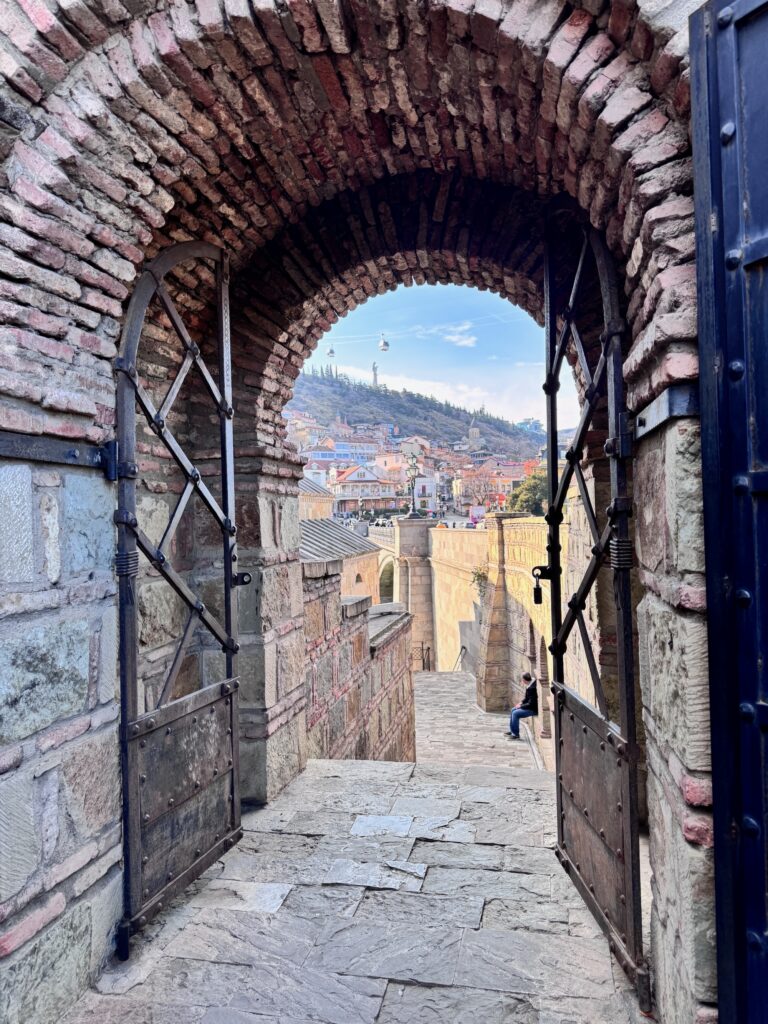
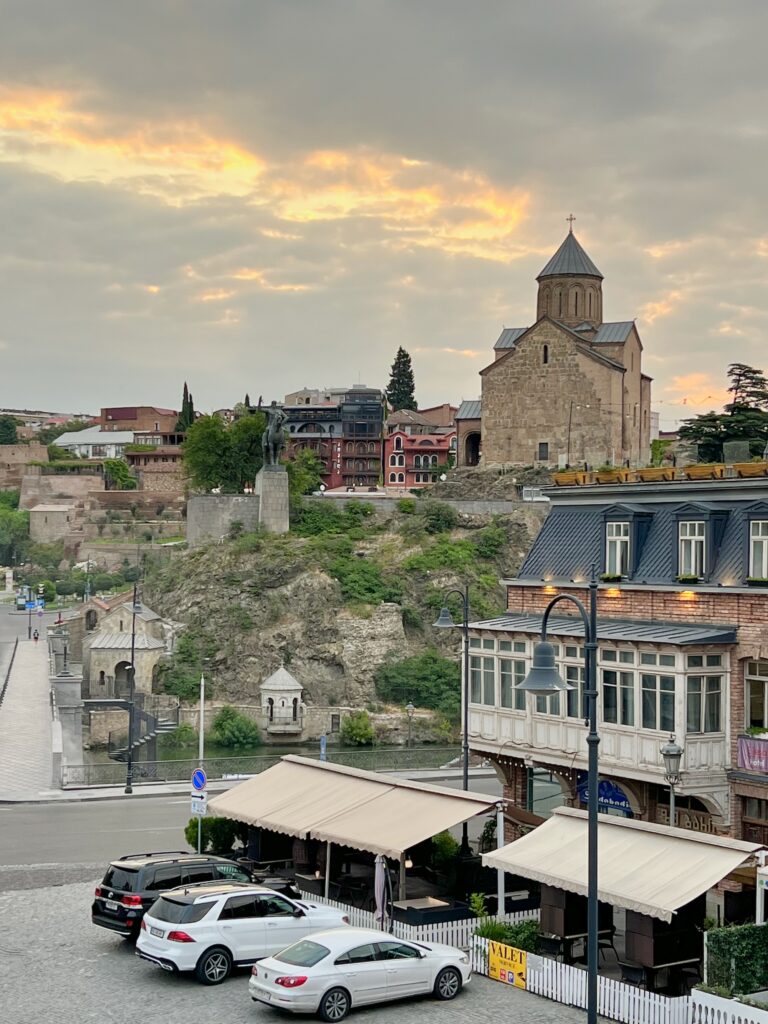
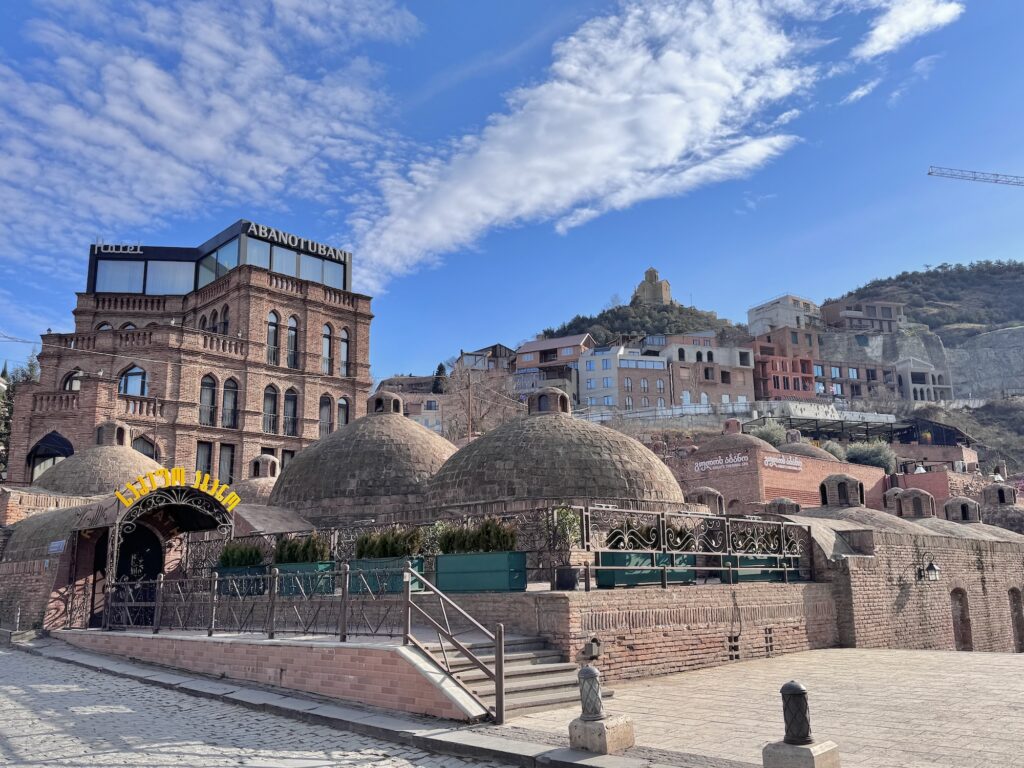
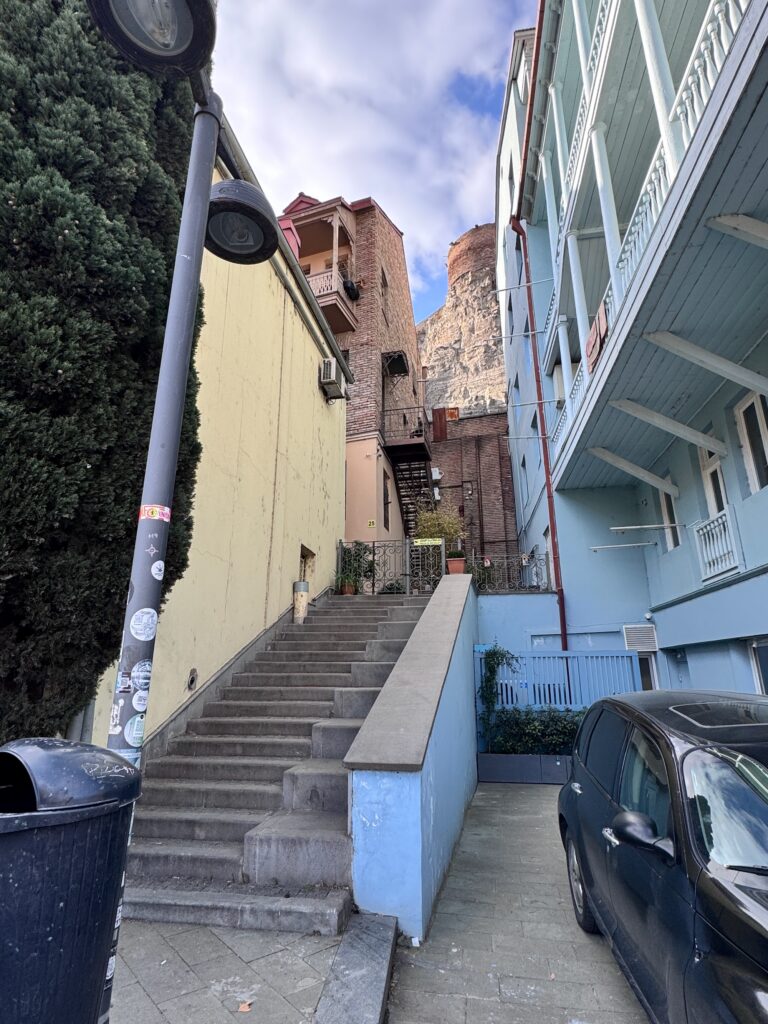
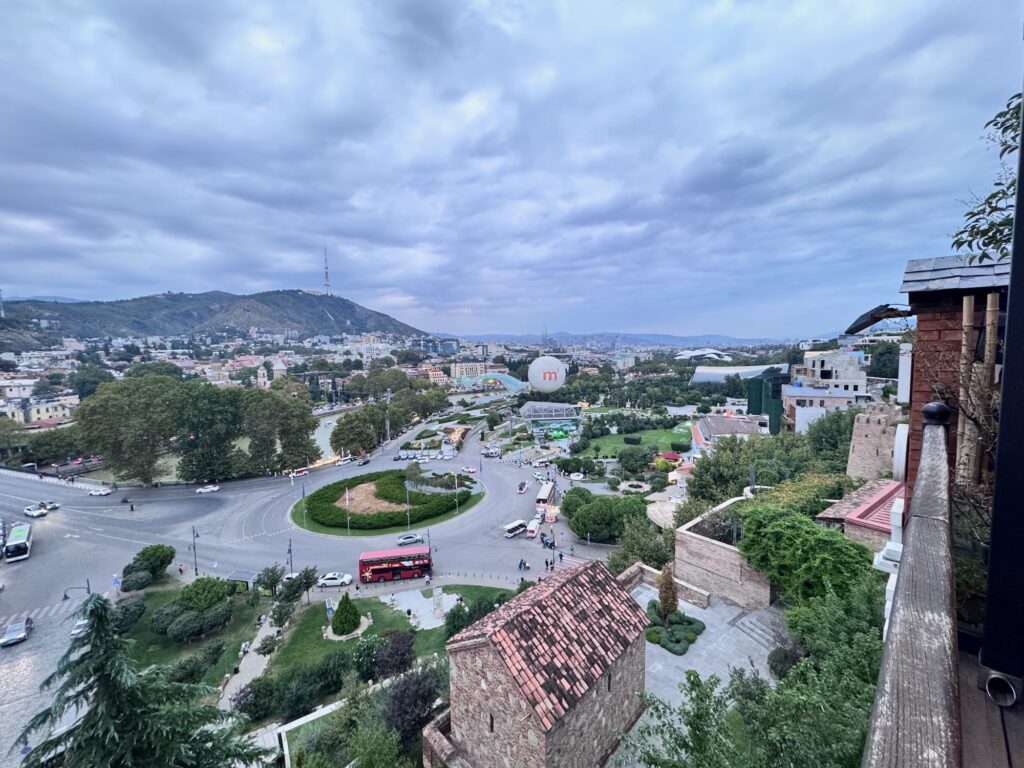
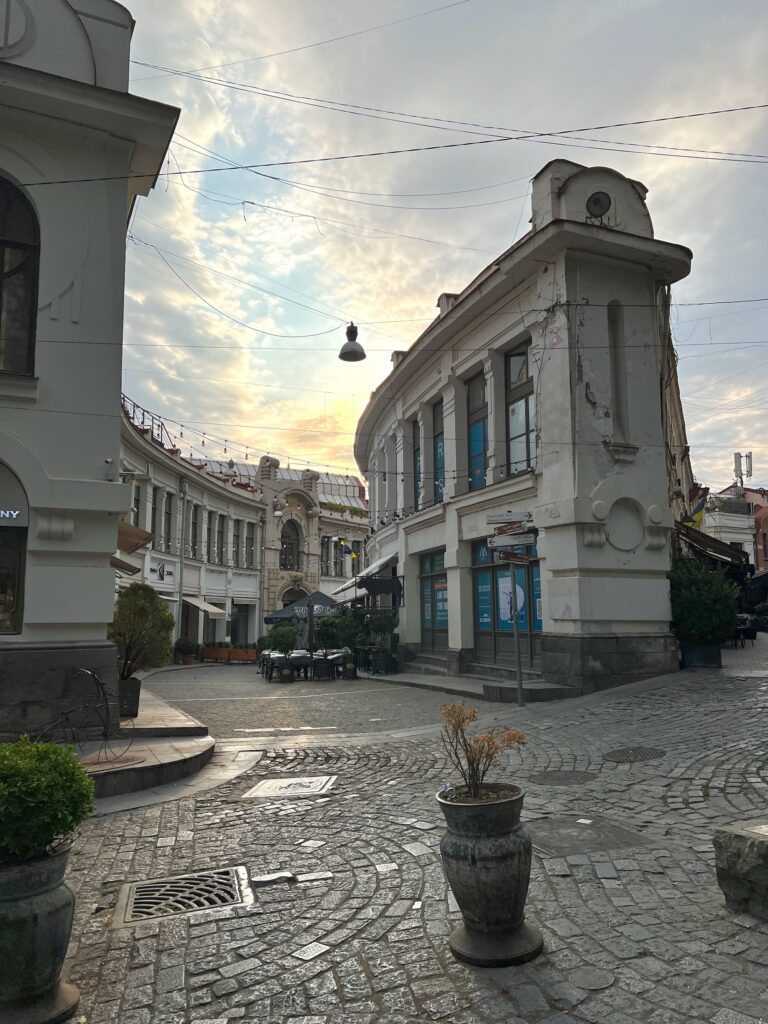
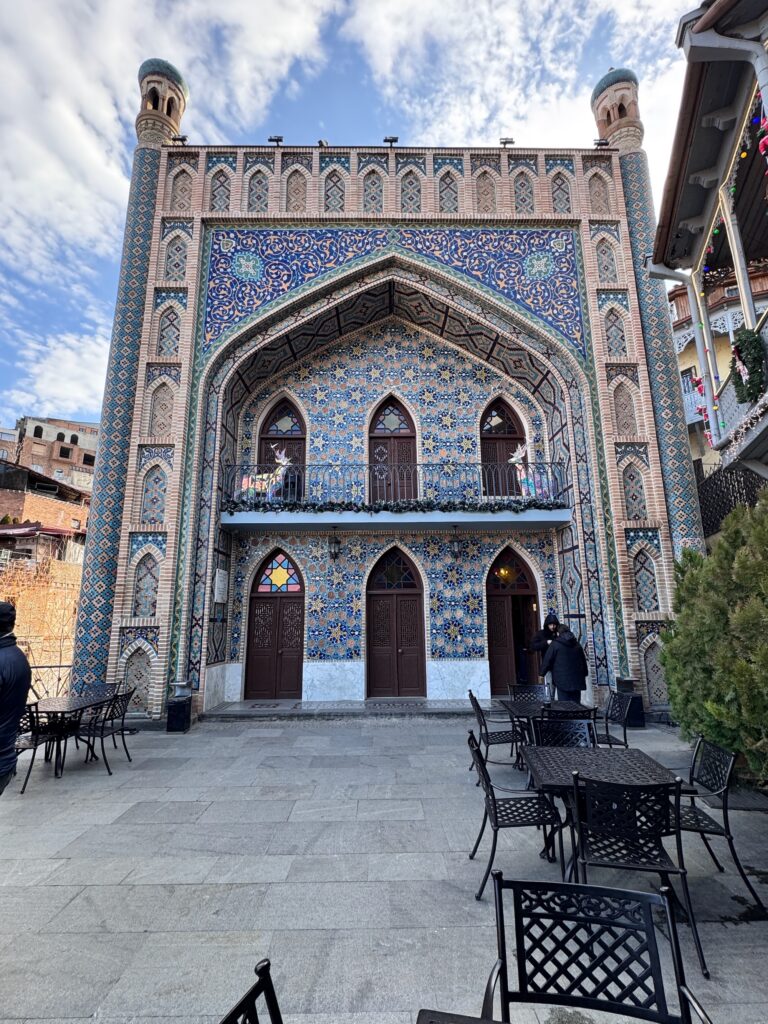
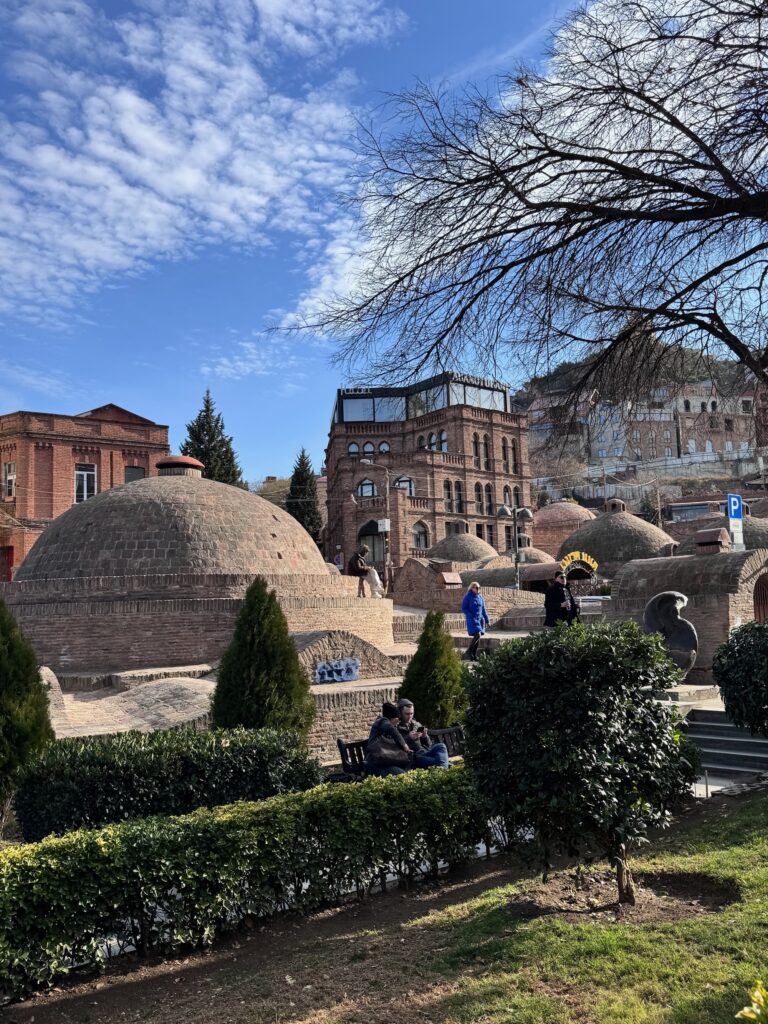
While Tbilisi has plenty of beautiful places to explore, the place I find myself returning to most is Old Town Tbilisi.
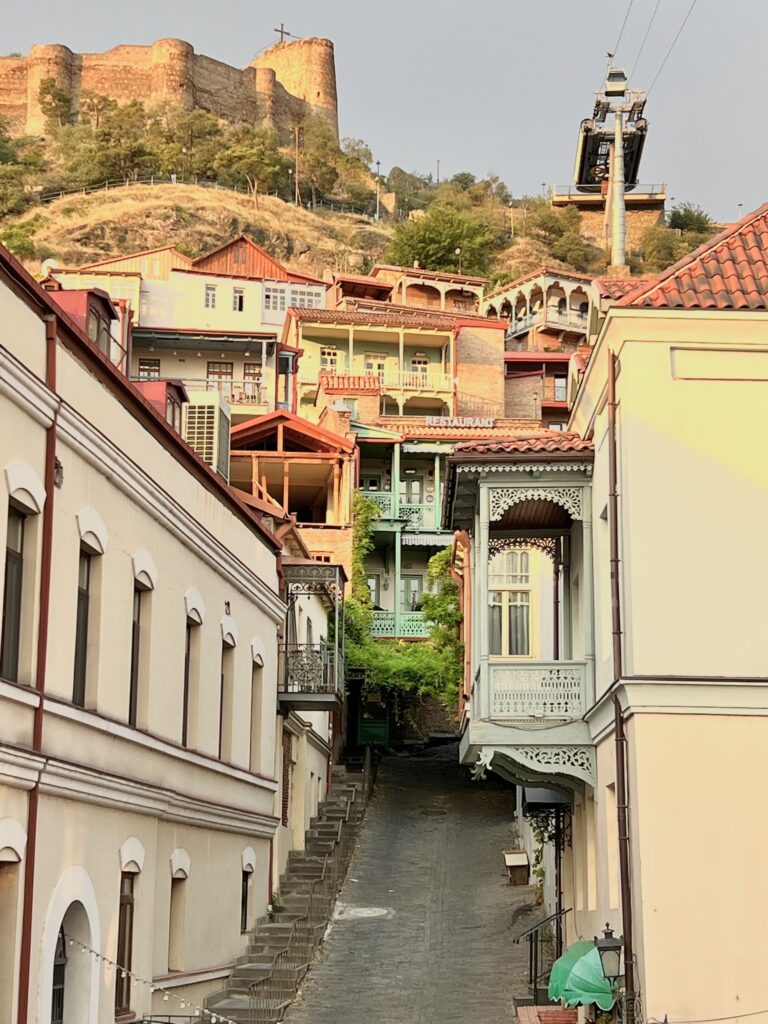
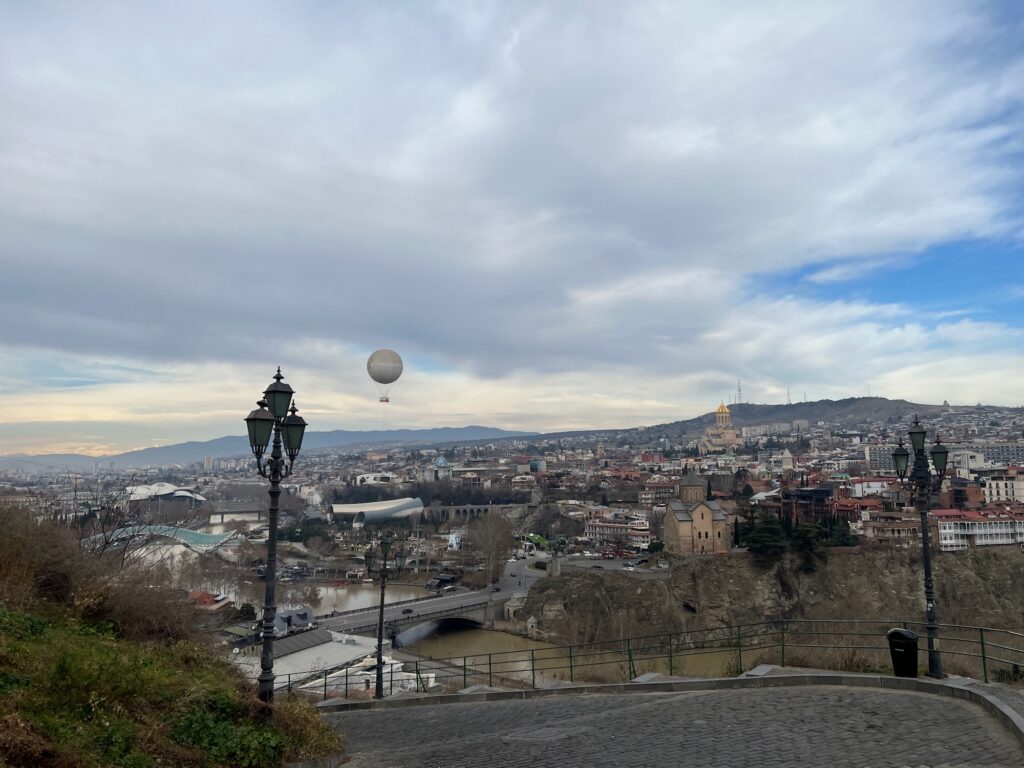
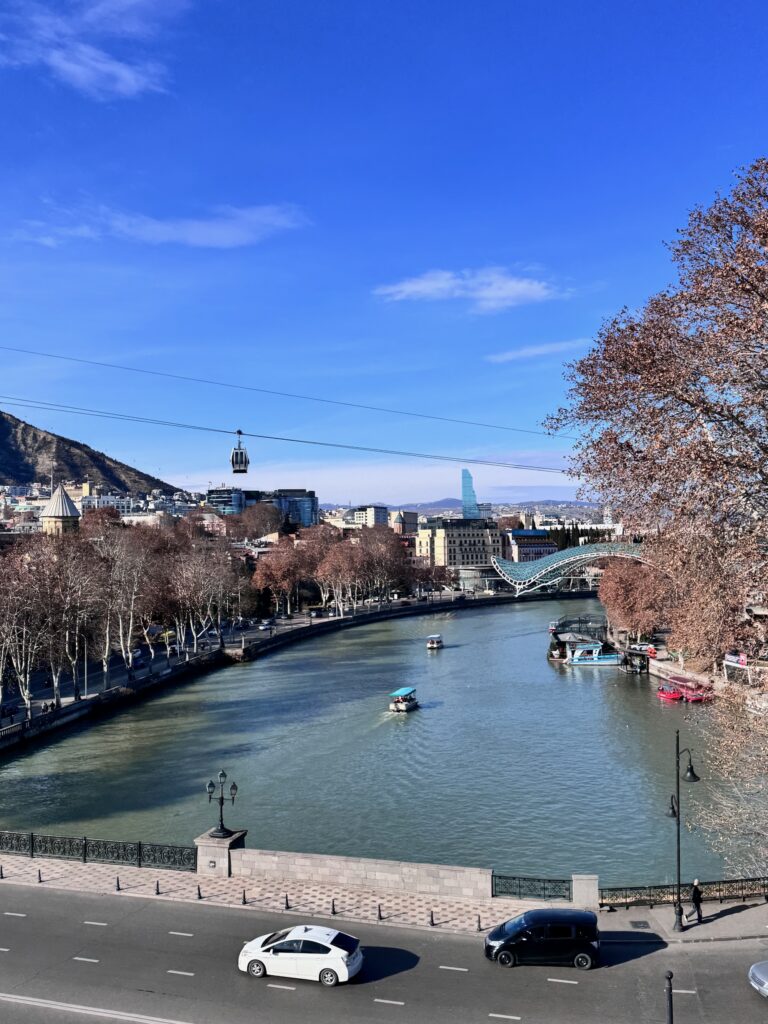
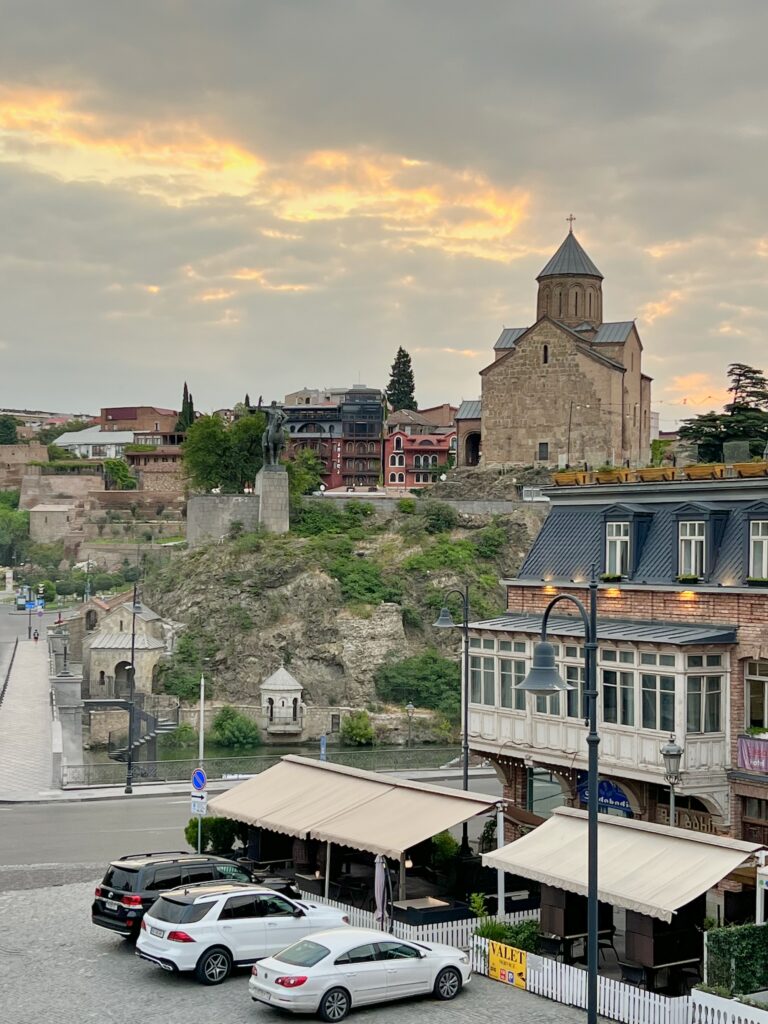
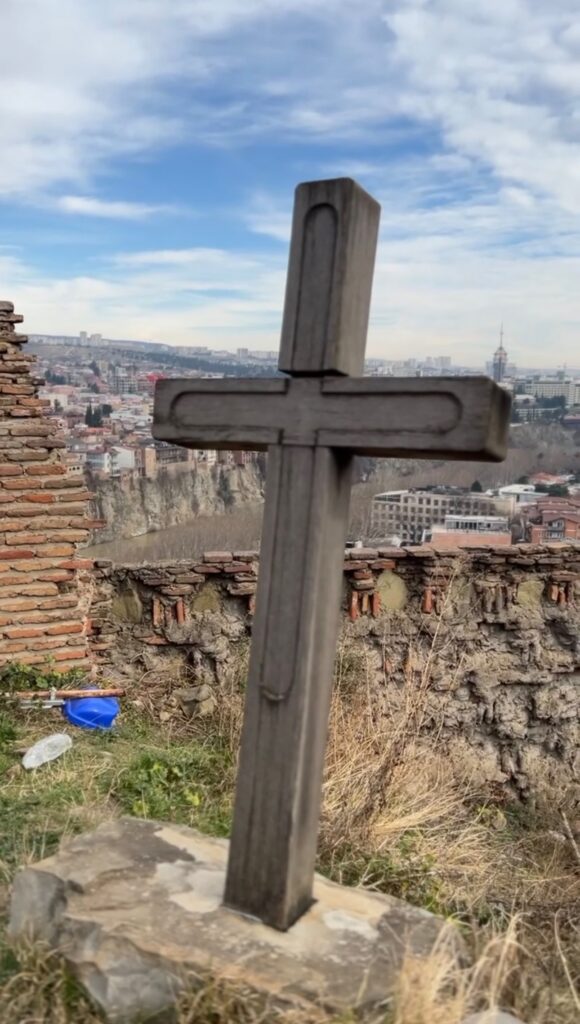
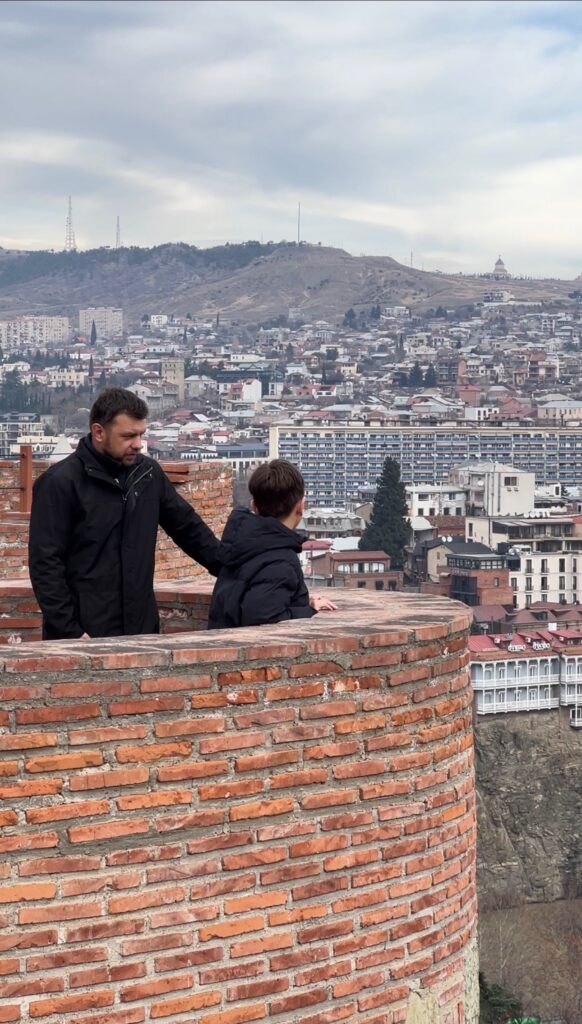
I love wandering the cobblestone streets, where the old and new seem to collide around every corner. The streets wind up the hills toward Narikala Fortress, which sits high above the Mtkvari River, offering breathtaking views across the city. The fortress dates back to the 4th century and has watched over Tbilisi through centuries of change.
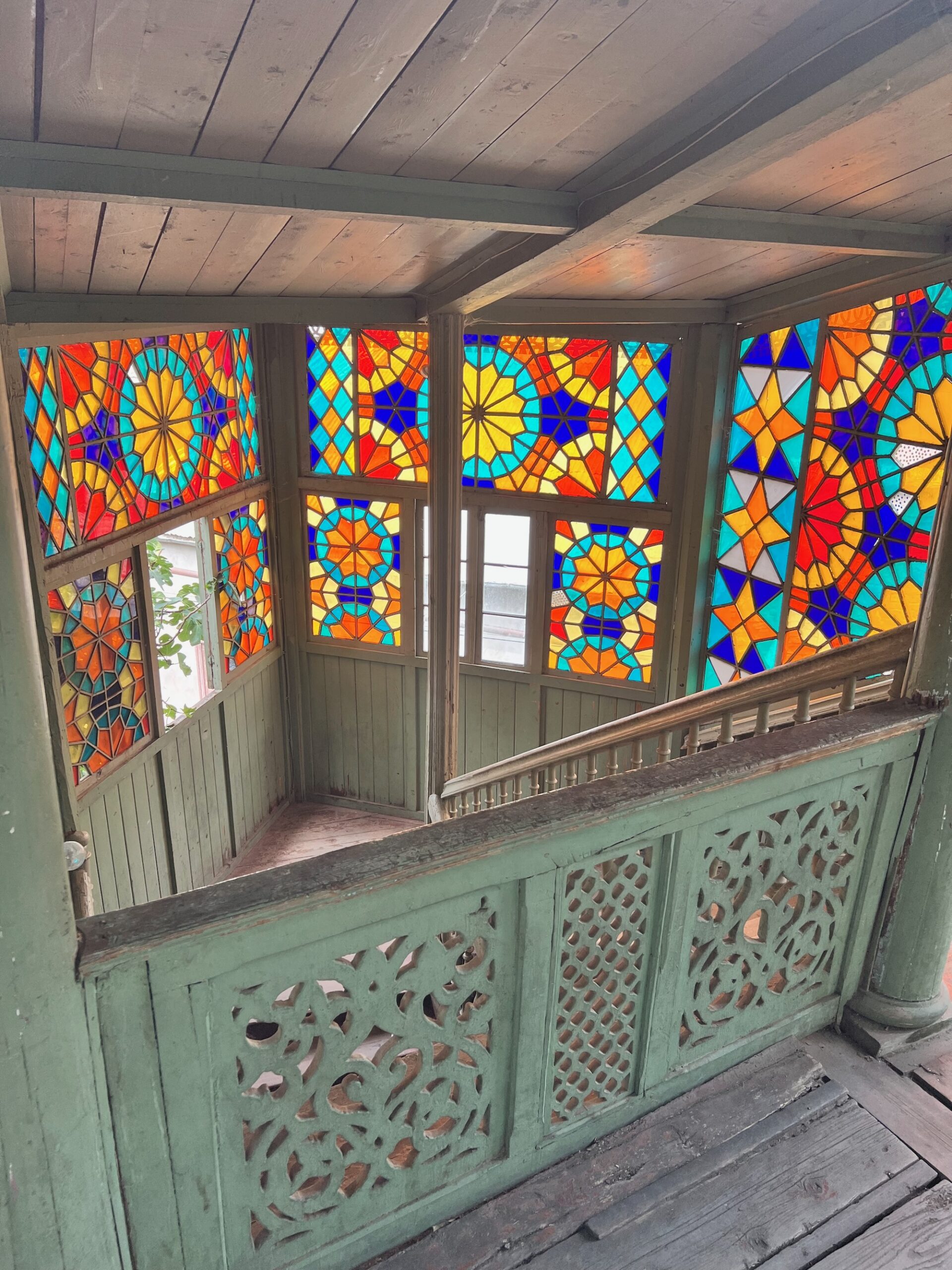
I find the contrast between the brightly colored, weathered homes and the modern residential buildings so intriguing. It feels like the old city is constantly meeting the new one.
Old Town is also home to Tbilisi’s famous sulfur baths. I have not experienced a kisi yet, but it is definitely on the list for our next visit. A kisi is an invigorating exfoliating scrub and wash performed at the baths. I have been told it is quite an experience—and I intend to find out for myself!
Quick takeaway:
Tbilisi is a city that doesn’t reveal itself all at once. It’s a little chaotic, a little romantic, wonderfully old, and constantly changing. The best way to understand is to wander its streets, linger over a long meal, listen to the language around you, and let the city unfold at its own pace.
Forward Always, Shannon
If this is your fist time here, welcome to Forward & Fernweh. Explore more travel stories, destination guides, and honest reviews, or visit my About Page to learn more about the journey behind the blog.