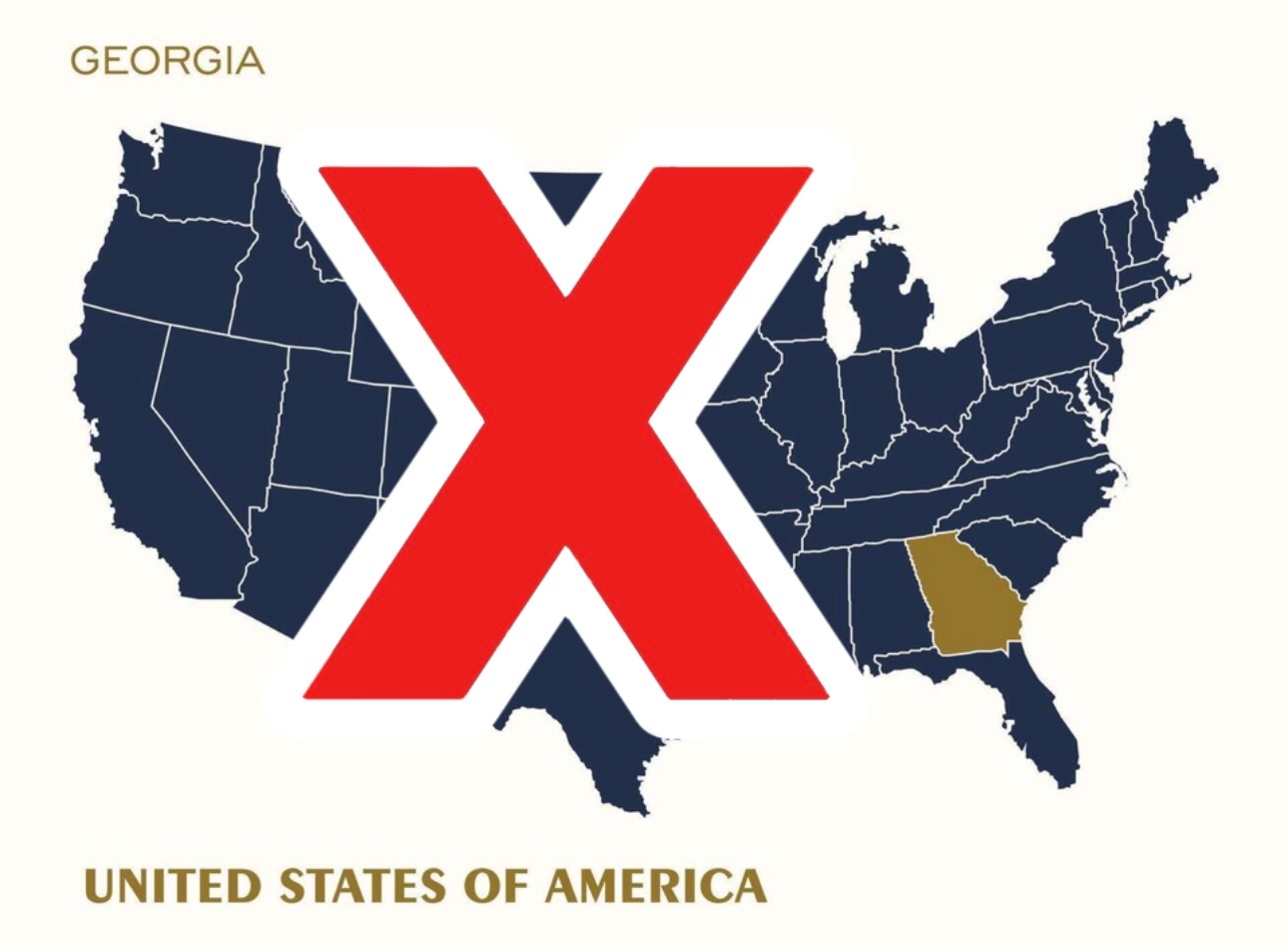
There is another Georgia that most Americans aren’t very familiar with. THIS Georgia is a small country at the crossroads of Europe and Asia, nestled in the Caucasus. The Republic of Georgia has my heart, because it is my husband’s home country.
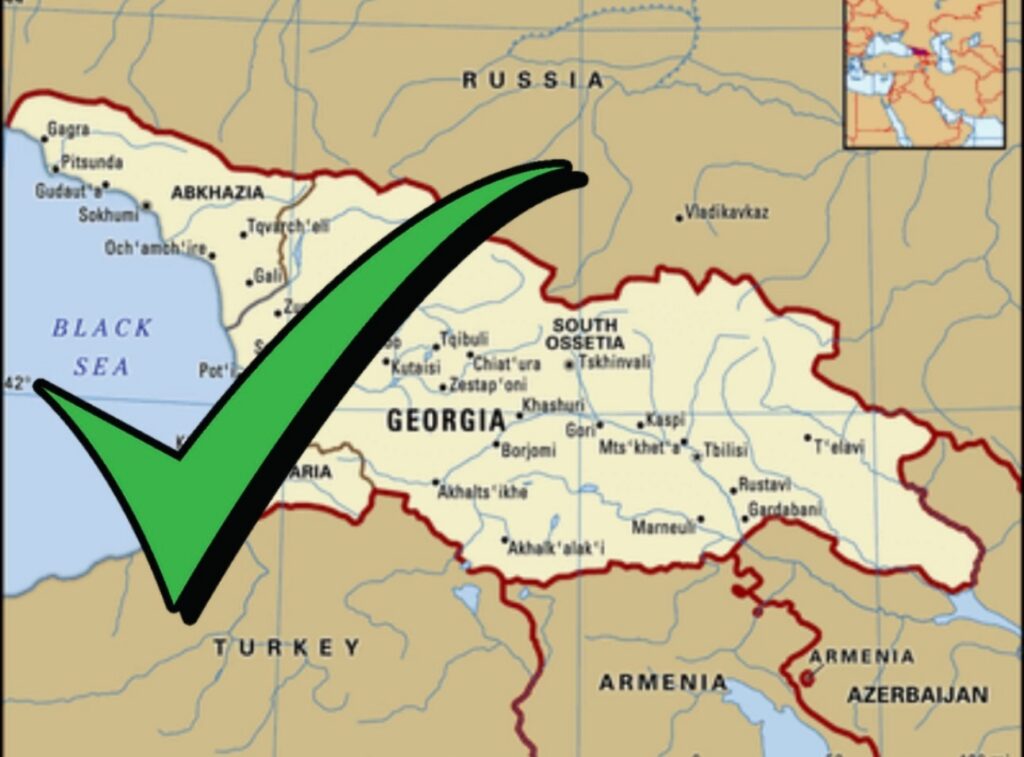
SO, WHERE EXACTLY IS GEORGIA?
If you’re anything like I was before I really got to know the country, you might have a vague idea that Georgia is somewhere over there — perhaps near Russia, perhaps somewhere in Eastern Europe.
And honestly, that’s part of what makes Georgia so fascinating.
Its location has shaped nearly everything about it.
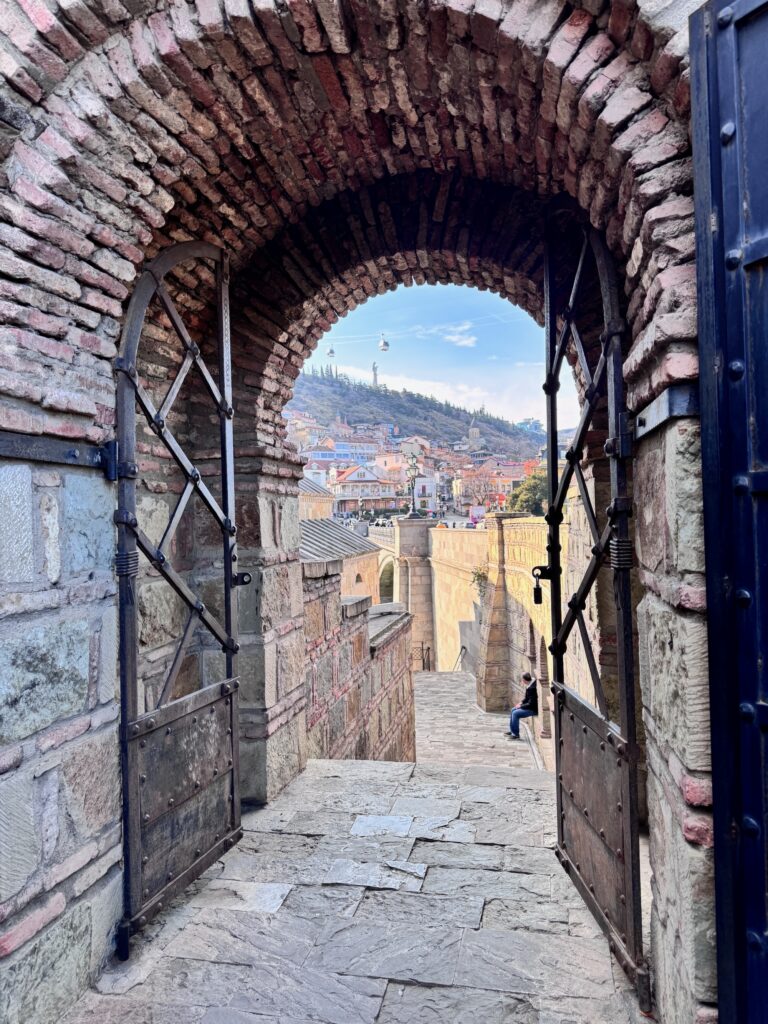
Georgia sits at a crossroads between cultures, religions, empires and trade routes. For centuries, people have passed through this small piece of the Caucasus, leaving their influence behind while Georgians fiercely maintained their own identity.
You can see that history everywhere.
There are ancient churches and monasteries, medieval fortresses, cave cities, Soviet-era buildings and modern cafés and wine bars — all existing within the same country.
And then there is Tbilisi.
TBILISI: WHERE I WANT TO BEGIN
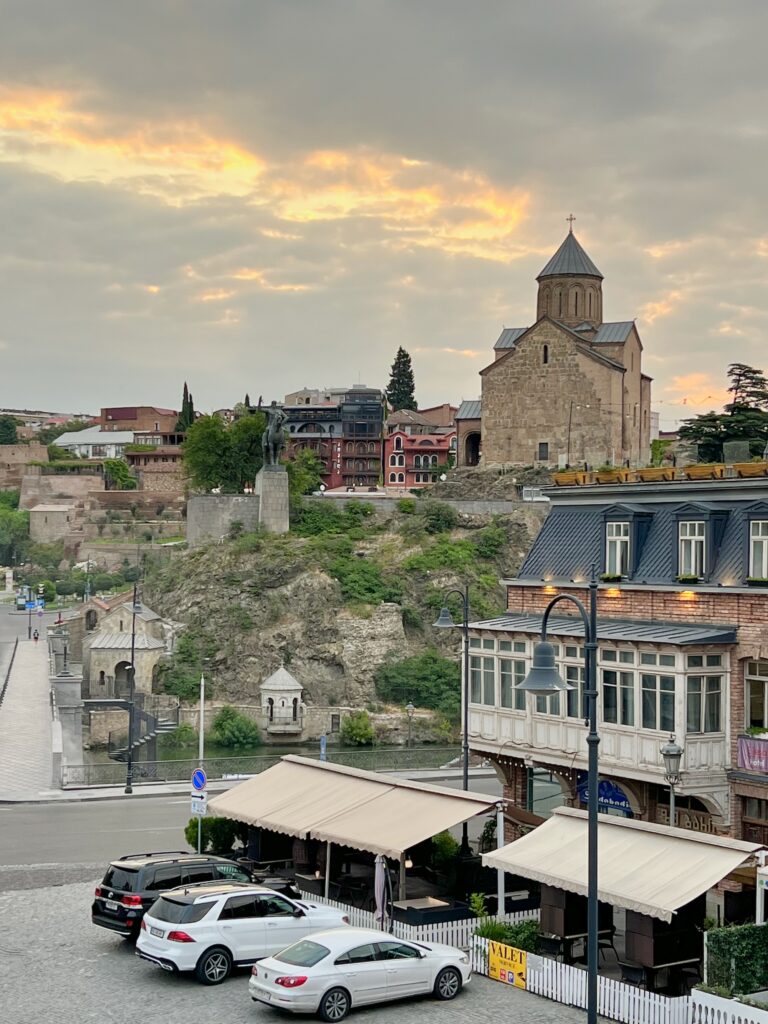
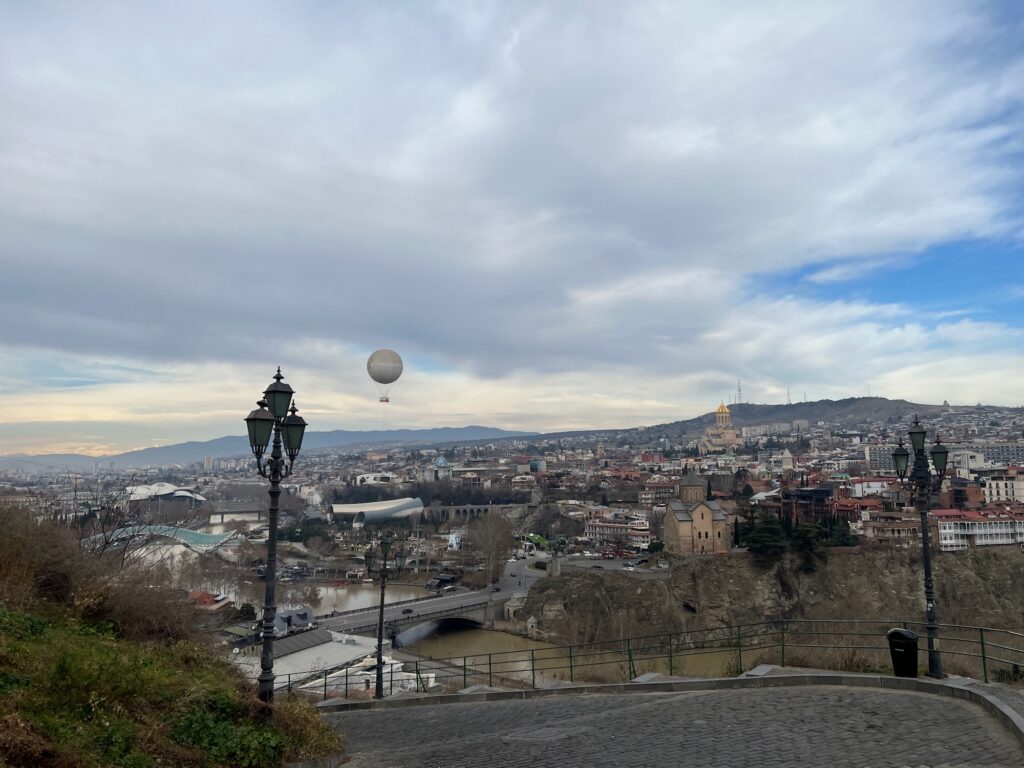
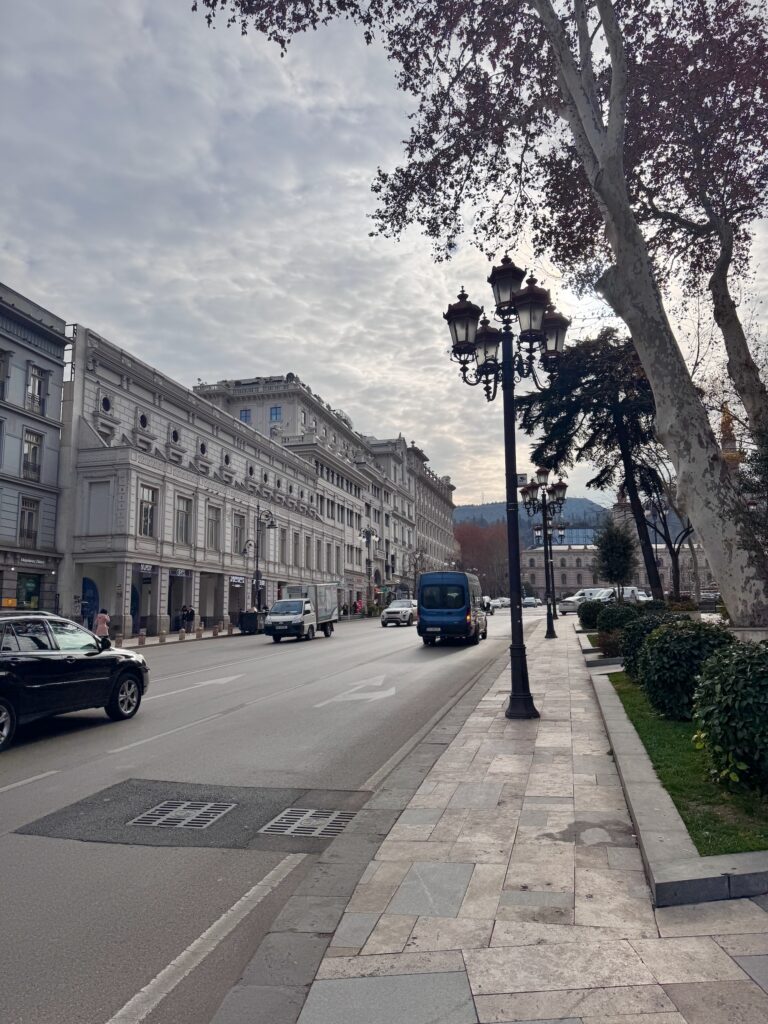
Tbilisi is Georgia’s capital and has served as its cultural, political and economic center for roughly fifteen centuries. The city sits along the Mtkvari River, surrounded by hills and mountains.
The name Tbilisi comes from the Georgian word “tbili,” meaning “warm,” referring to the natural hot sulfur springs around which the city developed.
And this is very Tbilisi.
History here isn’t something you simply read about. It’s woven into the streets.
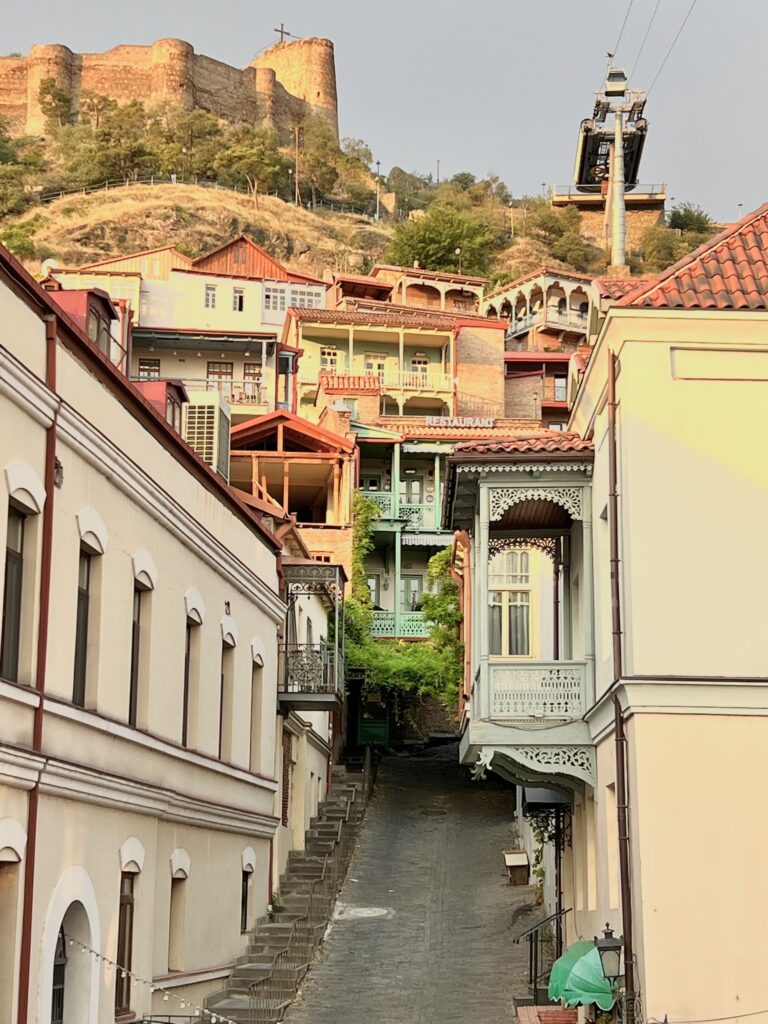
Walk through Old Tbilisi and you’ll find narrow lanes, colorful wooden balconies, churches, sulfur baths and courtyards. Look a little farther and you’ll find Soviet architecture, contemporary restaurants, wine bars, art spaces and a nightlife scene that feels surprisingly modern.
The city is old.
But it doesn’t feel stuck in the past.
A COUNTRY WITH AN EXTRAORDINARY HISTORY
Georgia’s history goes back thousands of years. The region was home to ancient kingdoms including Colchis and Kartli-Iberia, and its position between major powers meant that Georgia spent much of its history defending its independence and identity.
Georgia adopted Christianity as a state religion in the fourth century, making it one of the world’s oldest Christian countries.
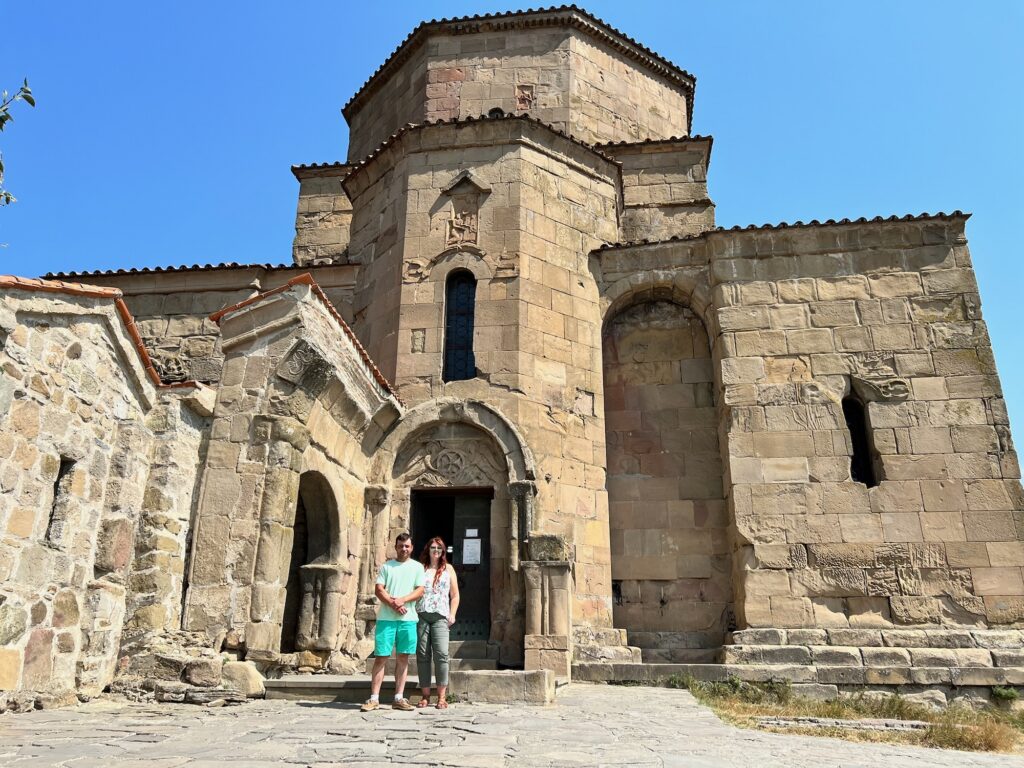
Centuries later came what Georgians often regard as their Golden Age, followed by invasions and periods of domination by larger empires.
Georgia eventually became part of the Russian Empire, briefly regained independence as the Democratic Republic of Georgia in 1918, and was incorporated into the Soviet Union in the early 1920s.
After decades of Soviet rule, Georgia declared independence again in 1991.
That history is important when you visit.
Because Georgia doesn’t simply feel like a country that happens to be located between Europe and Asia.
It feels like a country that has spent centuries determined to remain Georgia.
WINE IS NOT JUST SOMETHING GEORGIANS DRINK
Okay, we need to talk about wine.
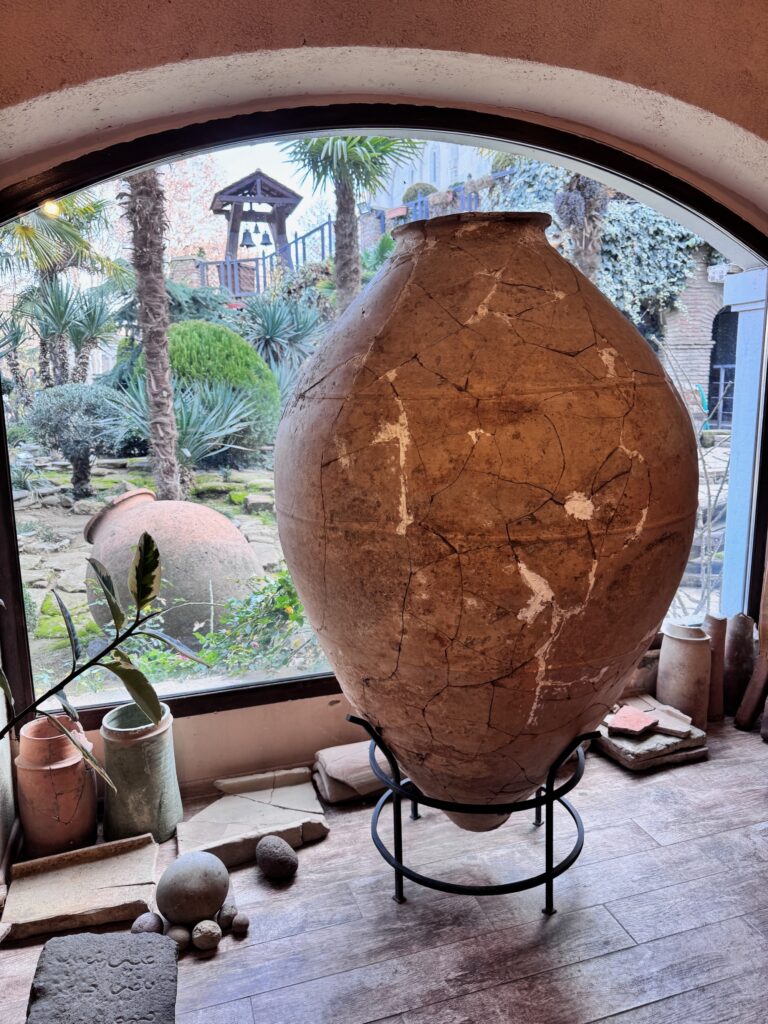
Georgia has one of the world’s oldest continuous winemaking traditions. The traditional qvevri method involves making and storing wine in large clay vessels, traditionally buried in the ground.
UNESCO has recognized the traditional Georgian qvevri winemaking method as Intangible Cultural Heritage.
Wine isn’t simply a tourist attraction here.
It is woven into Georgian culture, food, family gatherings and hospitality.
And hospitality might be the word that best explains Georgia to someone who has never been.
COME HUNGRY
Georgian food deserves its own post — which, don’t worry, it will get.
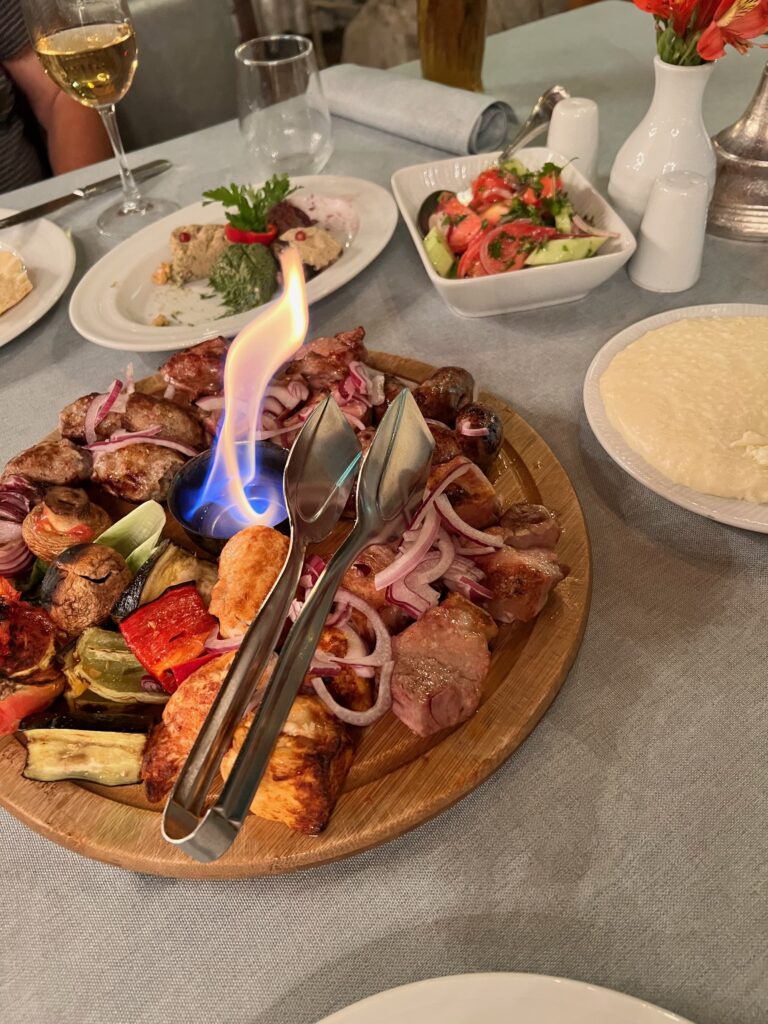
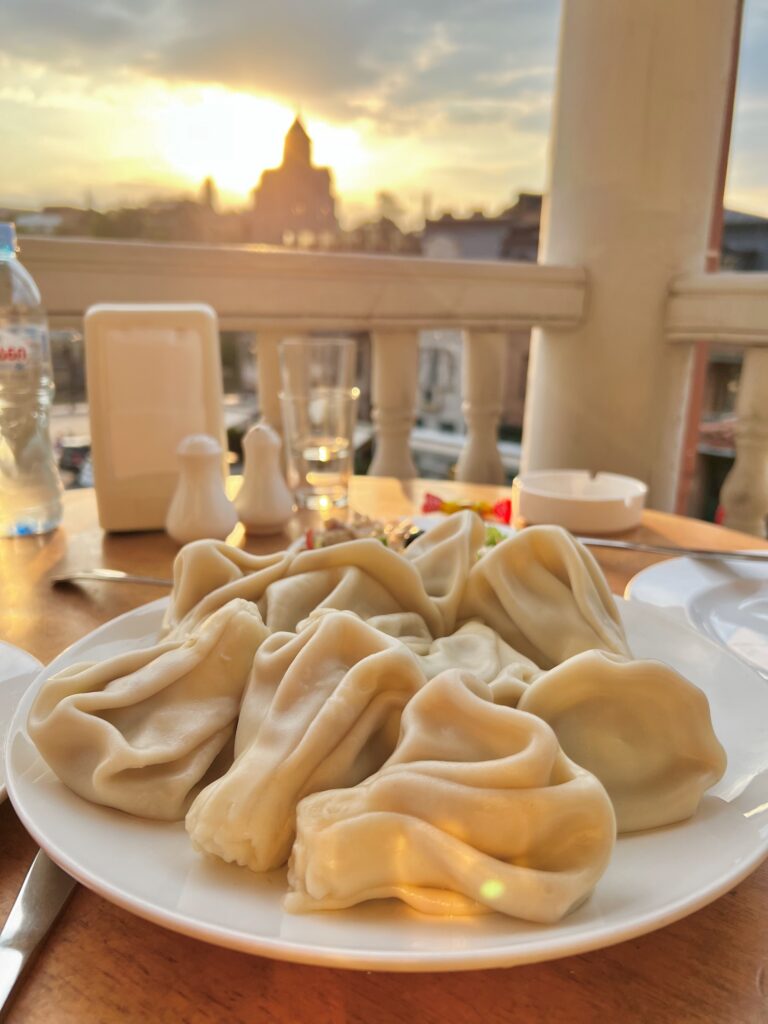
There is khachapuri, the famous cheese-filled bread; khinkali, those wonderfully messy soup dumplings; walnuts, herbs, eggplant, beans, grilled meats and an endless parade of dishes meant to be shared around a table.
But Georgian dining isn’t really about ordering an entrée and eating it yourself.
Meals are communal.
Tables fill up.
Wine gets poured.
Someone makes a toast.
Then another toast.
And another.
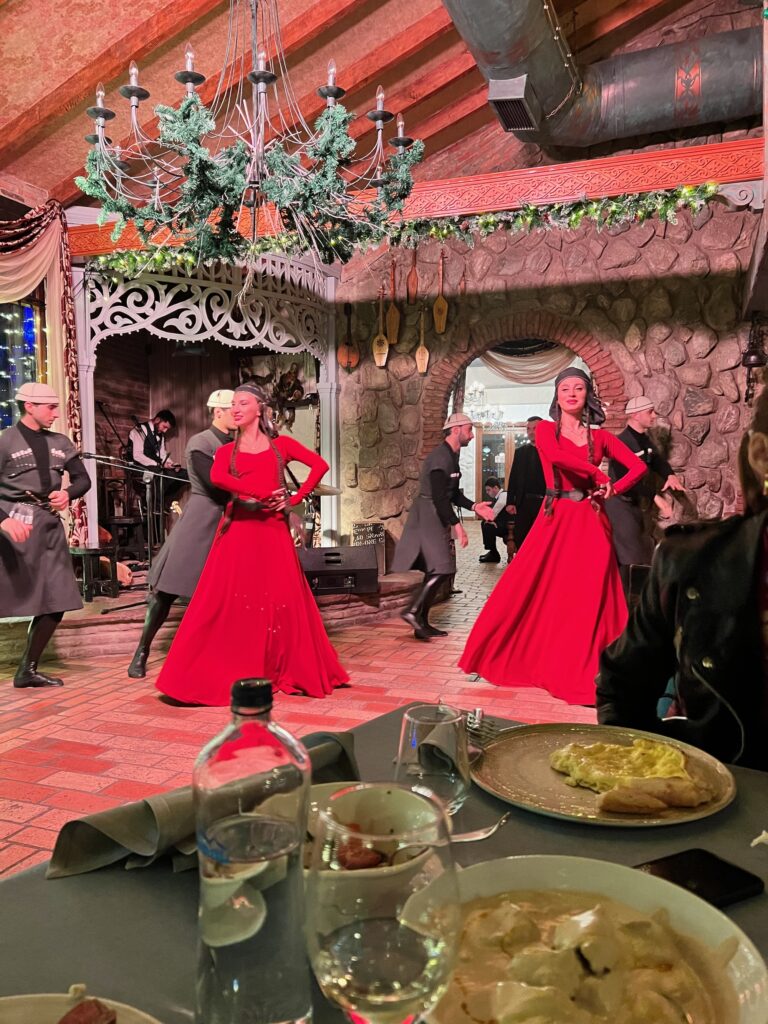
Suddenly, what you thought would be a quick dinner has turned into an entire evening.
That is Georgia.

AND THEN THERE’S THE LANGUAGE
One of the first things you’ll notice in Georgia is the alphabet.
It looks completely unfamiliar — and that’s because it is.
Georgia has its own distinctive writing tradition, and UNESCO recognizes the living culture of three Georgian writing systems.
Even after spending time around Georgian speakers, I still find myself fascinated by the letters.
They look almost like little works of art.
And then you hear the language spoken.
Georgian has a sound and rhythm all its own, and the country’s musical traditions are equally distinctive. Georgian polyphonic singing has been recognized by UNESCO as Intangible Cultural Heritage.
WHY GEORGIA?
I could give you a list of reasons to visit Georgia.
I could tell you about the mountains, the Black Sea, the ancient monasteries, the wine, the food, the architecture and the incredibly affordable cost of traveling here.
And I will.
That’s what this little corner of Forward & Fernweh is going to be about.
But the real reason Georgia is going to have a place here is much simpler.
My husband is Georgian.
I’ve been lucky enough to see this country not just as a visitor, but through the eyes of someone who calls it home.
I’ve eaten at tables with his family. I’ve wandered streets that have meaning to him. I’ve returned more than once, and every time I discover something I didn’t see before.
So I’m not going to pretend I’m an objective observer.
I’m already a little bit in love with Georgia.
And maybe that’s the best way to introduce you to a place.
This is Georgia.
Not the one in the American South.
The other one.
And I have a feeling you’re going to want to know her.
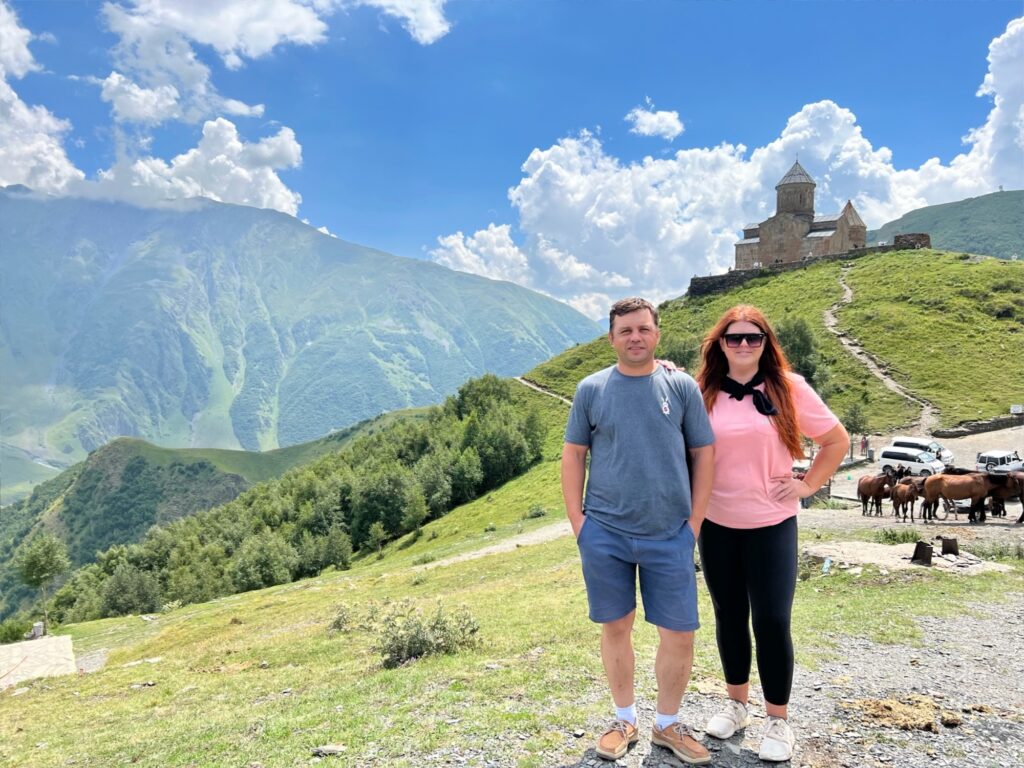
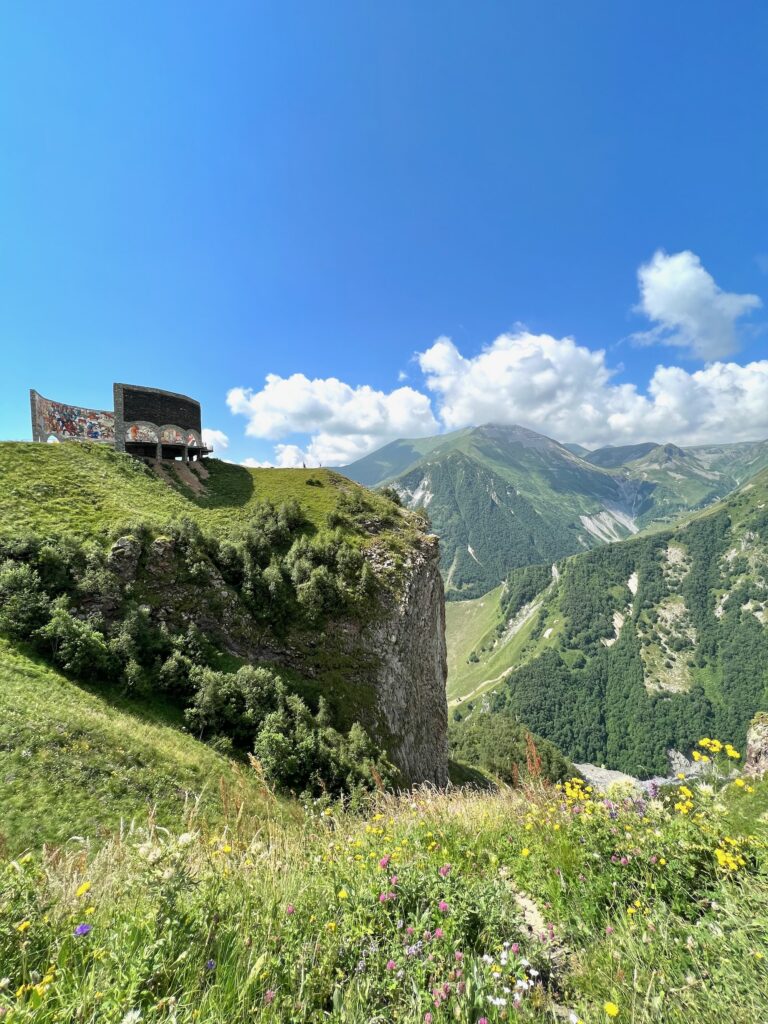
A LITTLE TASTE OF GEORGIA
Tbilisi is just the beginning. There is so much more to discover in Georgia-from ancient wine traditions and incredible food to its mountains, monasteries, seaside towns and unforgettable hospitality. I hope you will follow along as I share the Georgia Ive come to know and love.
Forward Always, Shannon
If this is your first time here, welcome to Forward & Fernweh. Explore more travel stories, destination guides, and honest reviews, or visit my About Page to learn more about the journey behind the blog.